Workplace gamification: what it is, examples and how to get it right
What workplace gamification is, the core mechanics, where it works (sales, onboarding, training) and the mistakes to avoid. A practical guide.
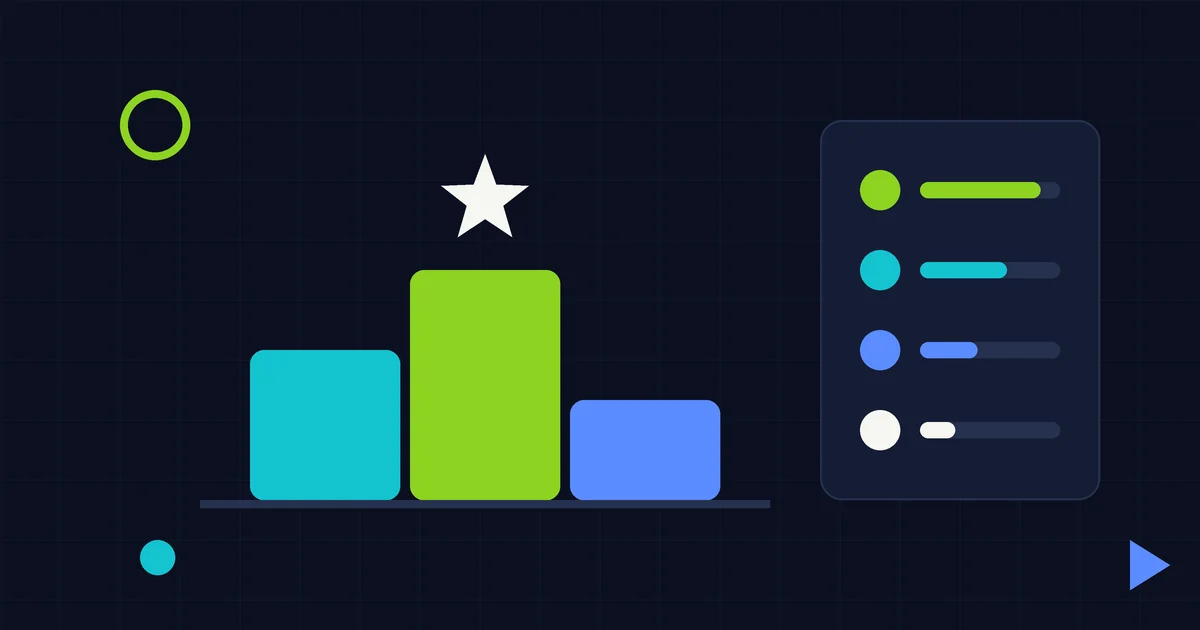
In short: workplace gamification applies game mechanics such as points, levels, challenges and leaderboards to activities that are not games: sales, training, onboarding, customer loyalty. It works when it helps people see their progress and feel capable; it fails when it turns into a prize race that leaves most of the team behind.
What is workplace gamification?
The term spread around 2010, but the idea is older: supermarket loyalty points and airline frequent-flyer tiers are gamification. In a company it means taking an existing activity and adding elements that make it clearer, more motivating and easier to measure.
The key point is that you are not building a game: you are “gamifying” something that already exists. A mandatory training path, a quarterly sales target or a new hire’s first month stay what they are; what changes is how people experience them and the feedback they receive.
Gamification, advergames and serious games: the differences
| What it is | Example | |
|---|---|---|
| Gamification | Game mechanics applied to an existing activity | Points and levels for completing safety courses |
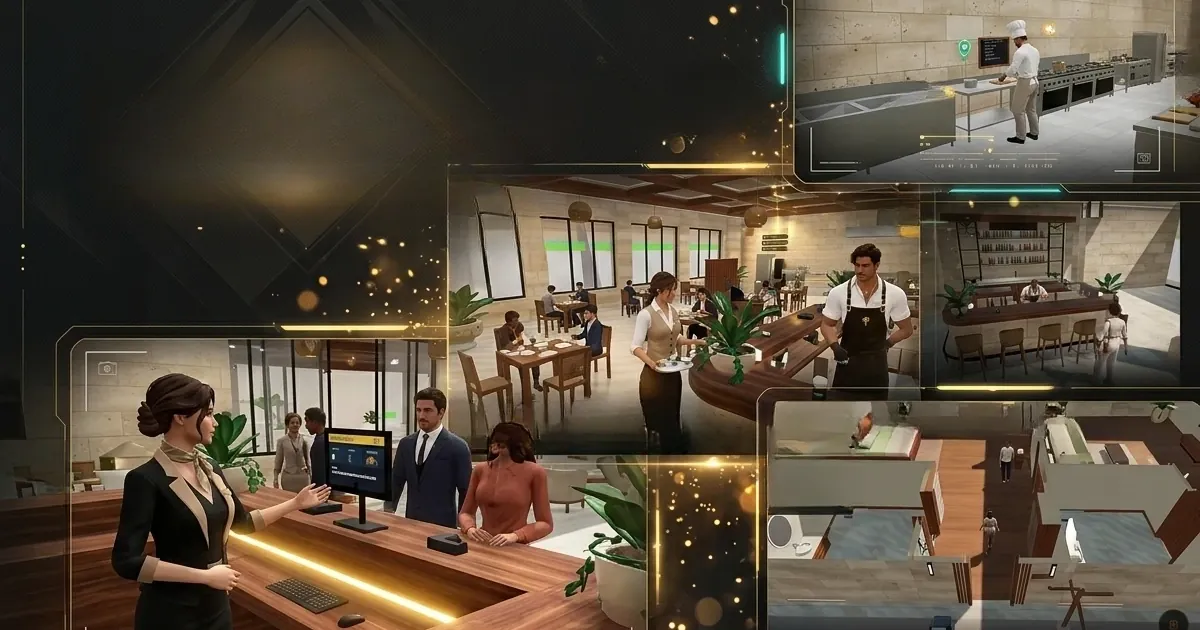
| Serious game | A real game, built to teach | A simulation where you run a hotel shift |
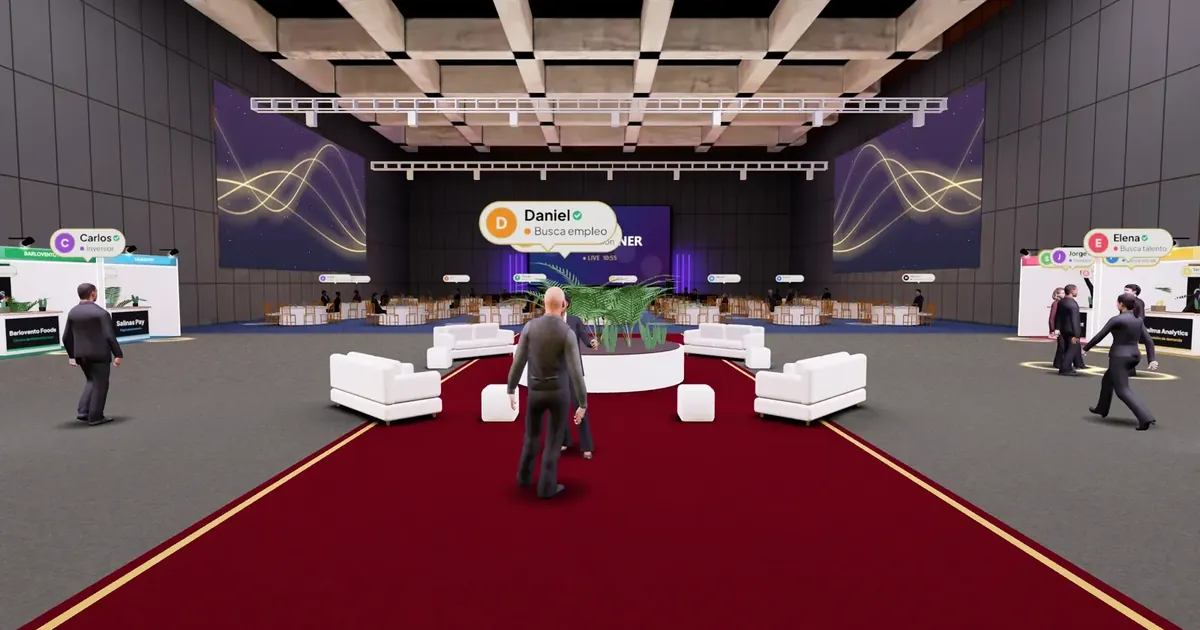
| Advergame | A real game, built for a brand | A runner starring a mascot, reached through a QR code |
They are often combined: a serious game can have a leaderboard, an advergame can be part of a gamified campaign with weekly prizes.
The core mechanics
- Points: measure the actions taken. They provide instant feedback, not a ranking of who is worth more.
- Levels: mark the stages of a path and make growth visible over time.
- Badges: recognise a specific achievement, such as “first client handled independently”.
- Progress bars: show how much is left to the end of a path. They are among the simplest and most effective mechanics.
- Challenges and missions: turn a goal into a clear task with a start and an end.
- Leaderboards: compare people or teams. Powerful but delicate, as the mistakes below show.
- Instant feedback: knowing right away whether you did well drives everything else.
Where it works in a company
- Sales teams: team challenges on clear goals, levels tied to skills and not only to revenue.
- Onboarding: a mission-based first month, with steps like “meet the departments” or “run your first project”.
- Training and compliance: mandatory courses with visible progress, levelled quizzes and spaced review.
- Customers and loyalty: tiered programmes, seasonal challenges, rewards for taking part.
- Internal communication and events: challenges between offices or departments to launch a project, a convention or a sustainability initiative.
- Safety and behaviours: recognising and making correct behaviours visible, instead of only sanctioning wrong ones.
The most common mistakes
- The leaderboard that demotivates. If people always see the same three names at the top, everyone else stops taking part. Use team leaderboards, level-based ones or rankings based on personal improvement.
- Meaningless points. If points say nothing about what really matters, people notice quickly.
- Rewards that replace motivation. Several psychology studies show that external rewards can reduce motivation for activities people already enjoyed. Gamification works best when it strengthens a sense of competence, autonomy and belonging, not when it swaps them for a gift card.
- Rewarding quantity over quality. If only the number of calls counts, you get more calls, not happier customers.
- Too complicated. If the rules need a long explanation, the system won’t be used.
- No measurement. Without a baseline it is impossible to say whether it worked.
- Privacy overlooked. Data and leaderboards concern people: define them clearly, collect them in line with GDPR and share them only when needed.
How to design a gamification project in 5 steps
- A behaviour to change. Not “motivate the team”, but for example “complete training within the first month” or “increase follow-up visits”.
- The people involved. What motivates them, how much time they have, which devices they use.
- Few mechanics, well chosen. Visible progress, short challenges and instant feedback are often enough.
- A pilot. Try it with a small group for a few weeks and gather opinions and data.
- Measure and improve. Compare indicators with the baseline and fix what doesn’t work before rolling it out.
When you need a real game
Gamification improves an existing activity; it does not teach a complex procedure or tell a brand’s story. When the goal is to practise decisions and procedures, you need a serious game; when it is to engage an audience with your brand, you need an advergame. Often the best solution is a real game inside a gamified path.
Frequently asked questions
Does gamification work for small companies?
Yes. You don’t need big platforms: a well-designed quarterly challenge, a step-by-step onboarding path or a short game with a leaderboard can work in a team of ten.
Do we need dedicated software?
It depends. Some mechanics can be added with tools the company already uses; for challenges, leaderboards and real games, a custom solution accessible from a phone with nothing to install is usually better.
How do you measure the success of a gamification project?
With indicators tied to the behaviour you want to change: training completion rate, time to productivity for new hires, participation, sales results. Measure them before and after, on the same group.
Is gamification compatible with GDPR?
Yes, if it is designed that way: data collected only for a clear purpose, a transparent privacy notice, public leaderboards only with people’s consent and, where possible, aggregated data.
Wondering whether gamification, a serious game or an advergame fits your needs? Write to [email protected] or browse our playable projects.
Play2Business designs and builds custom advergames, serious games and interactive experiences for companies and institutions.
About →