Custom games for business: why AI has made them affordable
Advergames and serious games have existed for decades but cost too much. How AI changed timelines and costs, and what it means for SMEs, with market data.
In short: custom games for business, meaning advergames and serious games, have existed as long as video games, but for decades they were a big-budget luxury. Artificial intelligence has cut production time and cost: today a simple mini-game can be ready in a few days, which makes it a realistic choice for an SME, a school or a museum.
An old idea at a new cost
In 1983 Kool-Aid Man brought a soft-drink mascot to the Atari 2600. In 2002 the US Army released America’s Army, a game for recruitment and training. In between, dozens of brands turned their products into games.
They all had one thing in common: large organisations behind them. A game took months of work, teams of programmers, artists and designers, and budgets that a small or mid-sized company could not afford. The value of games for marketing and training had long been clear; what was missing was access.
What AI really does in game production
AI does not “make the game on its own”. It speeds up many tasks that used to take days of manual work:
- Faster prototypes: the base code for a mechanic is written and tested in hours rather than weeks.
- Graphics and 3D worlds: environments, objects and variations are generated and refined far more quickly.
- Text and translations: dialogue, instructions and multi-language versions start from a solid draft.
- Testing and fixes: bugs and edge cases surface earlier.
The decisions that matter stay human: game design, creative direction, brand consistency, quality control. That is where you see the difference between a game made by AI and a game made well, with the help of AI.
The shift is industry-wide. According to research by Google Cloud and The Harris Poll among 615 developers, published in August 2025, 90% of game developers already integrate generative AI into their workflows.
Then and now, at a glance
| Then | Now, with AI | |
|---|---|---|
| Timeline | Months of development | A few days for a mini-game, a few weeks for a more complex project |
| Team | Large teams, often a whole studio | Small teams, assisted by AI |
| Budget | Big-brand budgets | Within reach of SMEs too |
| Who could afford it | Major brands, multinationals, armed forces | SMEs, schools, museums, destinations and local organisations |
The timelines are our production estimate: every project has its own.
A market that keeps growing
While production costs fall, the audience for games keeps widening:
- According to Newzoo, the global games market reached US$201.6 billion in 2025 (+9.1%), the first year above 200 billion, and is forecast at US$213.9 billion in 2026.
- Also according to Newzoo, there are 3.7 billion players worldwide in 2026, expected to reach 4.07 billion by 2029.
- In Italy, the IIDEA–Ipsos report on 2025 counts 14.2 million active players, playing almost 8 hours a week, in a market worth about €2.4 billion.
For a company this means something simple: customers and employees already speak the language of games. You don’t need to teach it, just use it well.
What changes for an SME
With lower costs and shorter timelines, a custom game becomes a practical tool for organisations that would never have considered one:
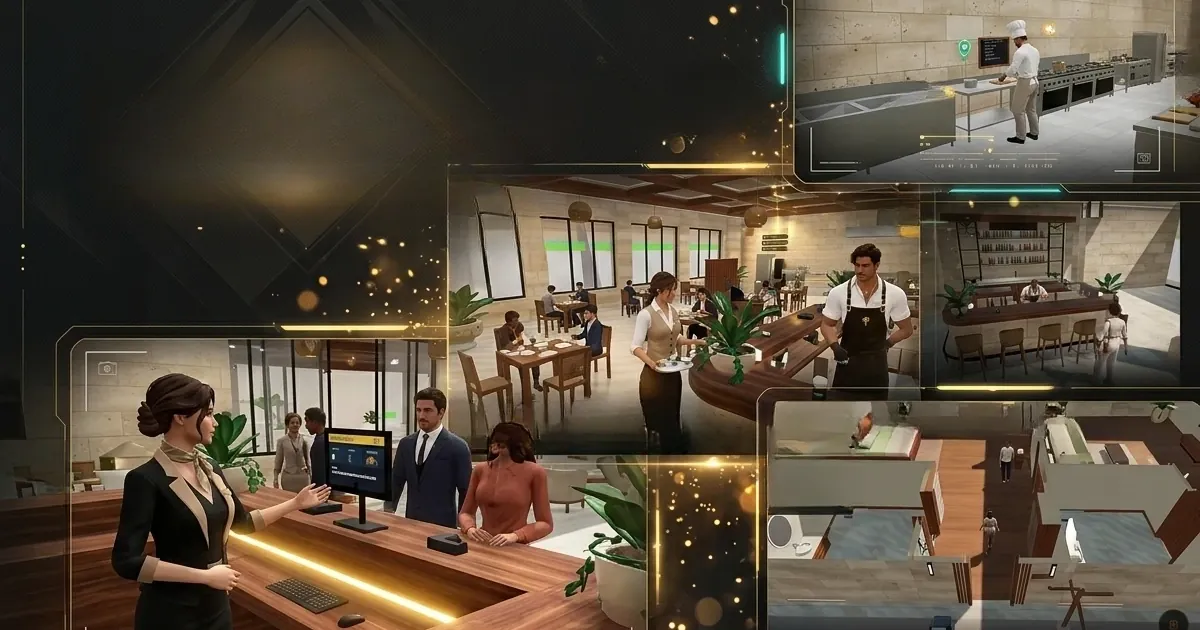
- a hotel that engages guests with branded games and leaderboards on their phones;
- a company at a trade fair that draws visitors to its stand and collects contacts;
- a training school that lets students practise real procedures;
- a museum or destination that tells its story through a game;
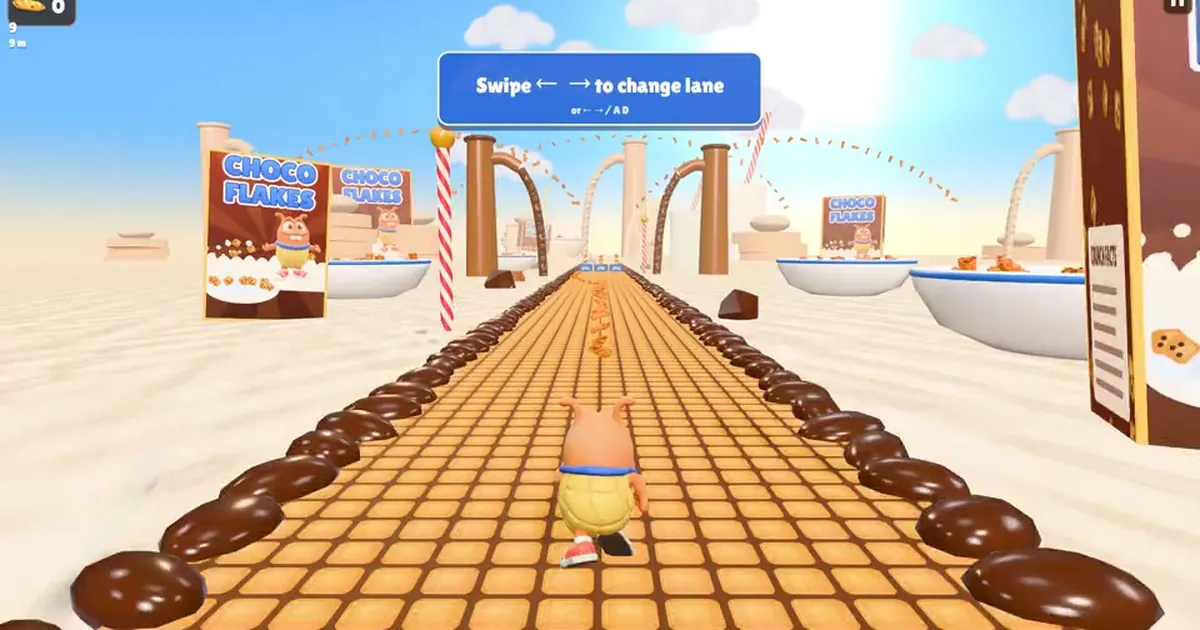
- a consumer brand that links its packaging to a game through a QR code.
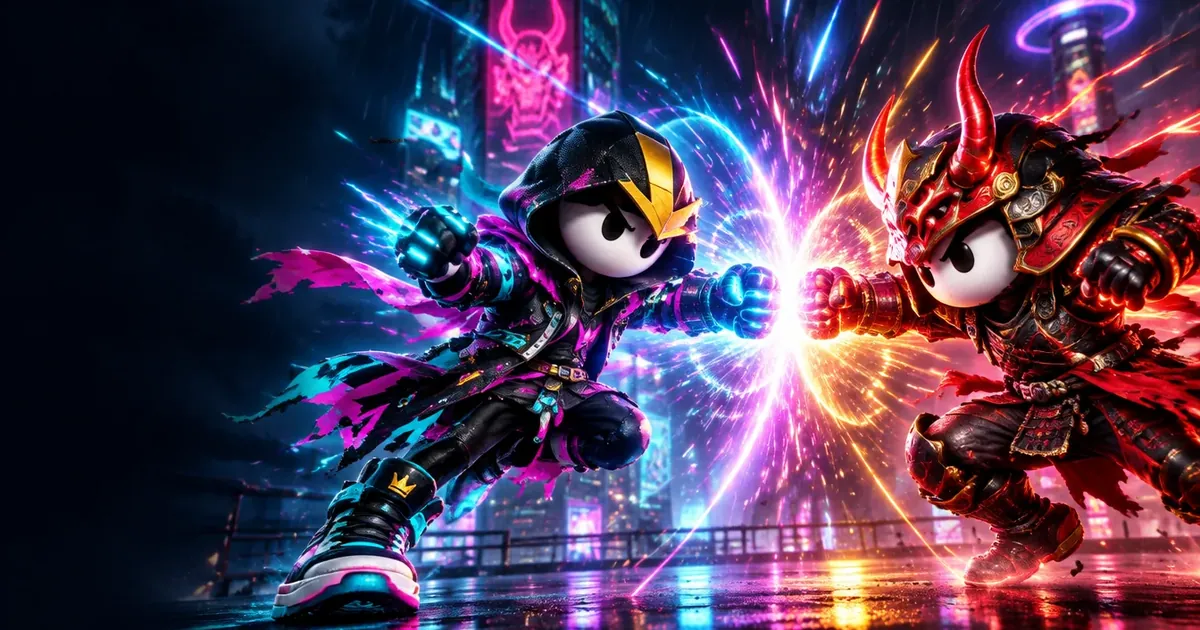
Our portfolio has playable examples of each of these cases. OBRA Fighters, for instance, is a fighting game built in about a week: the same method produced nine games in nine different genres.
What AI does not do on its own
An effective business game still needs skills no tool replaces: understanding the business goal, choosing the right mechanic, keeping the brand consistent, checking rights, privacy and accessibility. That is why we work with a four-step method (goals, design, build, launch) and put a playable prototype in the client’s hands early, to improve together.
Frequently asked questions
Is a game made with AI lower quality?
No, if AI is used as a tool rather than a shortcut. Quality depends on game design, creative direction and final review, which remain human.
How long does a custom game take?
With an AI-accelerated method, a simple mini-game can be ready in a few days; a game with several levels, characters or a 3D world takes a few weeks.
Where do we start?
With a goal: more visibility, more contacts, more effective training. From there we choose the format and build a first prototype to try.
Who owns the rights to the game?
That must be agreed in the contract before work starts. It is one of the points we always clarify in our proposal.
Sources
- Newzoo, Global Games Market Report 2026, via GameDev Reports.
- IIDEA and Ipsos, I videogiochi in Italia nel 2025, via Teleborsa.
- Google Cloud and The Harris Poll, press release, 18 August 2025.
Read more in our business case or write to [email protected] to find out which game could work for your company.

Play2Business designs and builds custom advergames, serious games and interactive experiences for companies and institutions.
About →