Games for trade shows and events: how to draw visitors to your stand and collect leads
How to use a game at your stand to draw visitors, start conversations and collect GDPR-compliant leads. Formats, a checklist and what to measure.
In short: at a trade show thousands of people walk past your stand, but few stop. A short game with a leaderboard and a prize gives visitors a concrete reason to stop, builds curiosity around the stand and opens a conversation naturally. Designed well, it also collects qualified leads, with consent, and keeps working after the show.
Every stand’s problem
Anyone who has exhibited knows it: you invest in space, design, travel and staff, and most visitors keep walking. Leaflets and giveaways help little, because they give people no reason to stop and no reason to remember you the next day. And contacts collected by scanning badges often don’t even know who you are.
Why a game works at a stand
- A reason to stop. “Beat today’s high score” is a stronger invitation than “would you like a brochure?”.
- Curiosity draws a crowd. Someone playing in front of a screen always attracts onlookers, and onlookers often want to try.
- The conversation starts by itself. After the game, your staff has a natural way to talk about the product.
- The lead has a reason. People who leave their name and email to join the leaderboard or a prize draw do so for a clear reason.
- The brand sticks. If the game is built around the product, visitors take home an experience, not just a leaflet.
The formats that work best
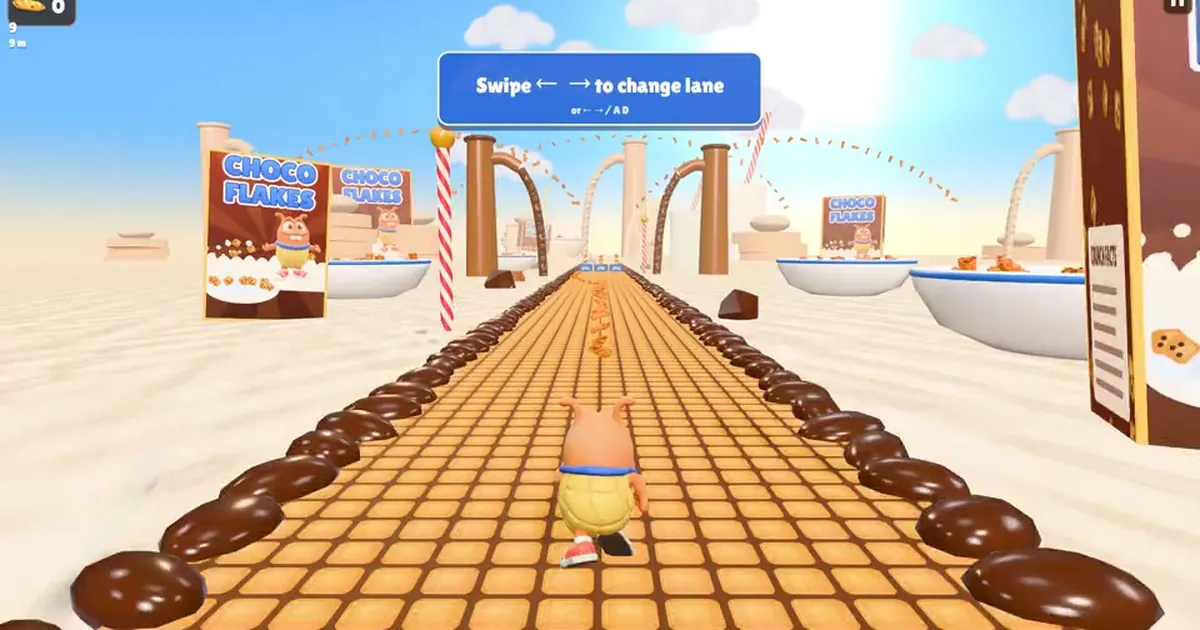
- A 60–90 second mini-game with a leaderboard on a big screen. Short games keep queues manageable; a visible leaderboard fuels the challenge.
- A timed challenge with a daily prize. The day’s best score wins: a good reason to come back or tell others.
- A phone game via QR code. Visitors play on their own smartphone, even while waiting, and can keep playing after the show.
- A product quiz or challenge. Players discover features and benefits as they play, ideal for B2B.
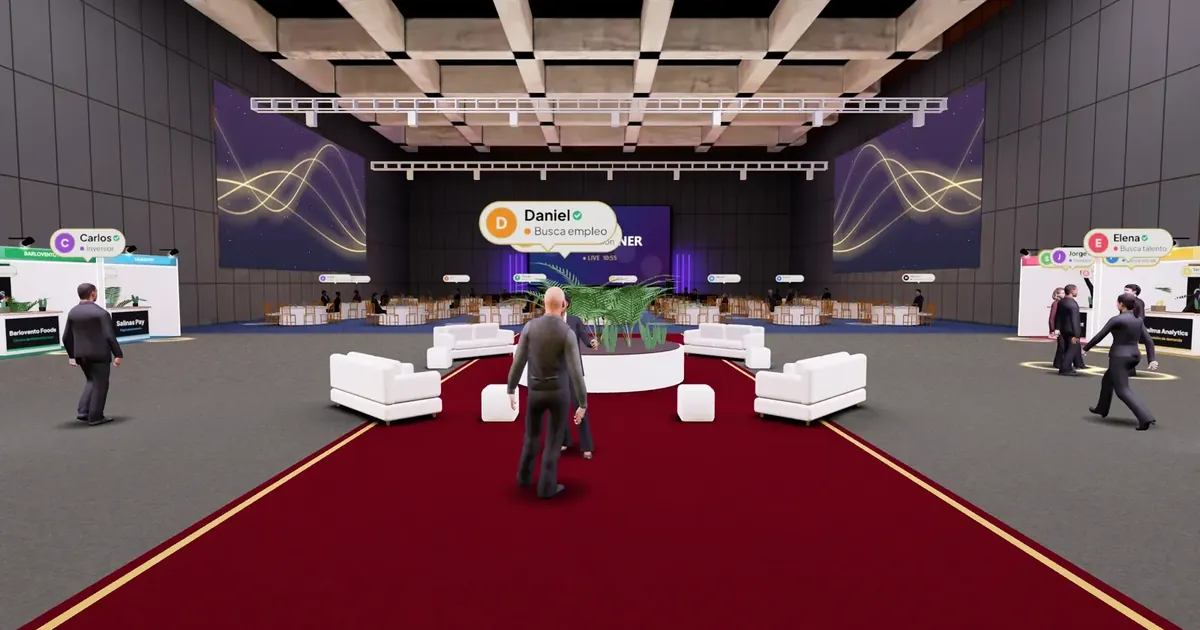
- A 3D space open all year. A stand or a whole event rebuilt in 3D, visitable from a phone before and after the show dates.
How to collect leads properly
- Clear consent: people who sign up must know why they share their data and how it will be used.
- Separate consents: consent to play or enter a prize draw must be separate from consent to receive marketing.
- Only the data you need: name, email and company are almost always enough; every extra field lowers sign-ups.
- Prize rules: prize promotions are regulated in many countries (in Italy, for example, by DPR 430/2001). Before offering a prize, check with an adviser how your mechanism is classified.
Pre-show checklist
- A numeric goal: how many leads, how many sales meetings.
- Game length suited to the space and the flow of people.
- Station and screen: where people play, who watches, how much room there is.
- Connectivity: a stable network, or a version that also works offline on the main station, decided at the design stage.
- A clearly visible QR code for playing on one’s own phone.
- A prize that is simple and fits the brand.
- Staff ready to invite people to play and turn the game into a conversation.
- An internal test with colleagues a few days before.
- A follow-up email ready to send within a few days.
What to measure
- Games played and unique players, day by day.
- Leads collected and the share who opted in to marketing.
- Conversations or meetings started at the stand.
- Replies to the follow-up email and sales opportunities in the following weeks.
That way, after the event, the stand’s value isn’t measured on gut feeling.
After the show, the game keeps going
A good game doesn’t switch off with the stand: it can anchor an email campaign, a social post or the next show, with new levels or a new challenge. An event rebuilt in 3D can stay open all year as a place to meet and present.
Examples from our portfolio
- Openhall is a concept demo that rebuilds the ExpoMeloneras congress centre in 3D: trade fair, auditorium and gala, all visitable from a phone. It was made on the author’s own initiative and ExpoMeloneras is not a client.
- Canarias Destino Startup is a 3D square rebuilt overnight from a photo of the event and opened with a QR code: every participant entered with an avatar, and the stage screen played the videos of all 31 startups.
Frequently asked questions
How long does it take to prepare a game for a trade show?
With an AI-accelerated method, a mini-game with a leaderboard can be ready in a few days. It is still worth starting a few weeks ahead, to test it and prepare the prize and follow-up.
Do we need an internet connection at the stand?
A browser game needs a connection, but a version that also works offline on the main station can be planned. It is a design-stage decision, depending on the venue.
Can the same game be used at several shows?
Yes: just update the leaderboard, the prize or add a level. That is one advantage over printed materials used only once.
Does it work at B2B trade shows?
Yes, often even better: a quiz or product challenge opens conversations with interested people and qualifies leads during the game itself.
Have a trade show coming up? See our advergames or write to [email protected]: we’ll propose a custom game for your stand.

Play2Business designs and builds custom advergames, serious games and interactive experiences for companies and institutions.
About →