Gamified onboarding: how to welcome new hires with a video game
How to make new-hire onboarding clearer and more engaging with missions, challenges and custom video games. Formats, mistakes to avoid and what to measure.
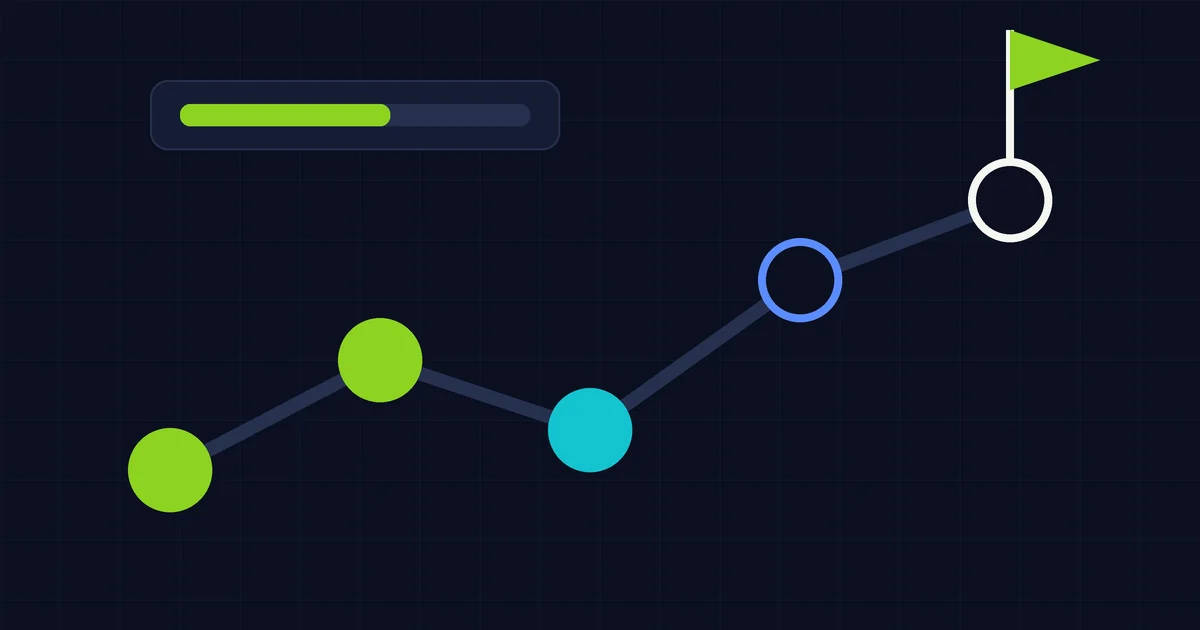
In short: gamified onboarding turns a new hire’s first weeks into a mission-based path. Instead of receiving everything at once (documents, procedures, names, tools), people move forward step by step, see their progress and learn by doing, including through short custom video games. It works when it helps people find their way; it fails when it becomes a race or replaces contact with colleagues and managers.
What is gamified onboarding?
Onboarding is how a company welcomes and integrates newcomers: introductions, rules, tools, products, culture. Gamified onboarding applies typical game mechanics to that process: missions, levels, progress bars, challenges and instant feedback. In richer cases it includes real video games or simulations, for example to learn a product or a procedure.
The goal is not to “make new hires play”, but to make the path clear: what do I need to know, in what order, and how far along am I?
Why the first weeks matter
In their first weeks, new hires receive a huge amount of information, often all in the first few days. Much of it is soon forgotten, some arrives too late. For HR and managers it means repeating the same explanations with every new starter.
A step-by-step path spreads information over time, makes it repeatable and shows who has completed what, without extra meetings.
What you can gamify
- Welcome and company culture: history, values and ways of working, told as a first mission.
- Who’s who: a video game to learn departments, roles and contacts, especially useful for multi-site companies.
- Products and services: quizzes and challenges to learn what the company sells, with increasing difficulty.
- Tools and procedures: short simulations to use internal systems, handle an order or a complaint.
- Safety: the basic rules of the site, alongside mandatory training. See our article on serious games for workplace safety.
- Relationships: missions that encourage people to meet others, such as “have a coffee with someone from another department”.
Formats that work
- A step-by-step path with a progress bar. The simplest and most effective format: each step unlocks the next.
- Short quizzes and challenges. Two or three minutes on a phone to check what stuck.
- A first-day simulation. A short simulation that lets people experience the most common situations of the role in advance.
- An on-site treasure hunt with QR codes. Key spots in the office or plant become stages to discover.
- A custom company video game. When a company hires often or has a distributed workforce, a video game with its own world, products and procedures becomes a tool reusable for years.
Mistakes to avoid
- Leaderboards among new hires. Pitting newcomers against each other creates anxiety, not motivation. Show personal progress instead.
- Too much, too soon. Even gamified, a path with a hundred steps in the first week is still overload.
- A childish tone. Game language must stay professional: people want to feel respected.
- Replacing people. The path helps, but the relationship with managers and colleagues remains central.
- No updates. Procedures and products change: the path must be maintained or it becomes unreliable.
How to design it in 5 steps
- Define what someone should be able to do after 30, 60 and 90 days.
- Split it into short, ordered steps, starting with what is needed right away.
- Choose few mechanics: visible progress, clear missions, instant feedback.
- Test the path with your most recent hires, who remember well what was missing.
- Measure and update after each intake.
What to measure
- Step completion and average times.
- Time to autonomy in the role, according to the manager.
- Recurring questions to HR: if they drop, the path is working.
- New hires’ feedback after the first month.
Frequently asked questions
Does gamified onboarding work remotely?
Yes, often even better: a path accessible from phone or computer gives structure to people working remotely, who can’t just ask the colleague at the next desk.
Do we need a custom video game?
No. Many companies start with a step-by-step path with quizzes and missions. A custom video game makes sense when hiring volumes are high, the workforce is distributed or procedures are complex.
How long does it take to build?
A simple path can be ready in a few weeks. With an AI-accelerated development method, even a short custom video game takes far less time than it used to.
How is employee data handled?
By collecting only what is needed (for example completed steps), informing people clearly and complying with GDPR. The data is there to improve the path, not to assess people.
Want to turn your onboarding into a path people are happy to complete? See our serious games, read the guide to workplace gamification or write to [email protected].

Play2Business designs and builds custom advergames, serious games and interactive experiences for companies and institutions.
About →